A sunken sidewalk, an uneven driveway, or a tilted patio slab—it’s a common sight for many homeowners. That once-perfect concrete surface has, over time, succumbed to soil erosion, weather, and gravity. The immediate reaction is often one of dread, envisioning the massive expense, noise, and mess of a full concrete replacement. Jackhammers, dumpsters, days of disruption, and a staggering bill.
But what if there was a smarter, superior way? Enter concrete leveling, also known as mudjacking or its modern counterpart, polyurethane foam jacking.
Concrete leveling is a process that corrects uneven concrete by lifting it back to its original position. Instead of tearing out the old slab, technicians drill small, strategic holes and pump a specialized material beneath it. This material fills voids and raises the concrete, restoring a level, safe, and aesthetically pleasing surface.
While a flat driveway is the obvious goal, the benefits of choosing leveling over replacement go far deeper. Let’s explore the four key advantages that make concrete leveling a brilliant solution for homeowners.
1. Significant Cost Savings
Let’s start with the biggest motivator for most homeowners: the bottom line. Concrete leveling is, unequivocally, far more affordable than full replacement.
The Price Breakdown:
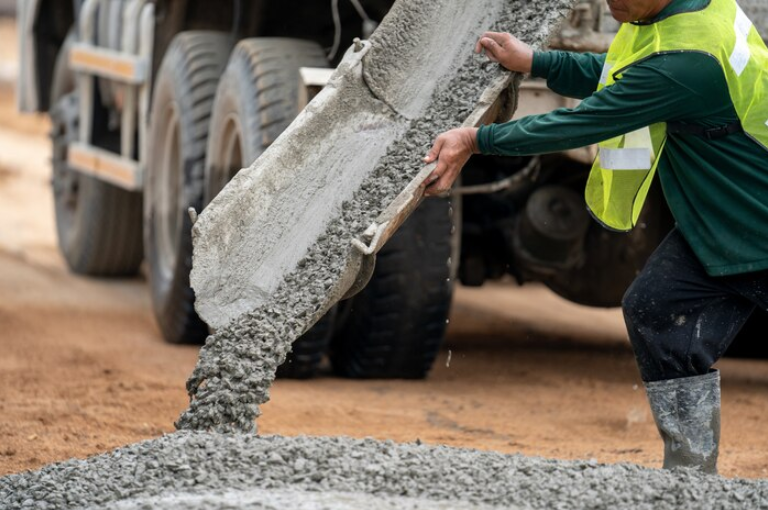
Concrete Replacement: This is a labor-intensive and material-heavy process. It involves costs for demolition, hauling away the old rubble (often requiring dumpster rentals and landfill fees), preparing the new sub-base, purchasing and pouring new concrete, and finishing. You’re not just paying for new concrete; you’re paying to remove the old and for the significant manual labor involved in every step.
Concrete Leveling: This process bypasses almost all those costly steps. There’s no demolition or removal. The materials used (a slurry mix for mudjacking or expanding polyurethane foam) are relatively inexpensive compared to new concrete. The labor is highly specialized but far more efficient, often completed in a few hours rather than days.
On average, concrete leveling costs about 50-70% less than replacement. Where a new concrete driveway might cost thousands of dollars, leveling the existing one could be a fraction of that. This dramatic cost difference makes repairing sunken concrete accessible, allowing homeowners to fix safety hazards and eyesores without breaking the bank.
2. Unmatched Time Efficiency and Convenience
In our busy lives, time is a precious commodity. The disruption of a major construction project at your home can be incredibly stressful. This is where concrete leveling truly shines.
The Timeline Showdown:
Concrete Replacement: This is a multi-day, often multi-week, ordeal.
Day 1: Demolition with loud jackhammers. Your property is now a construction zone with a pile of rubble.
Day 2: Hauling away debris and prepping the sub-base.
Day 3: Pouring and finishing the new concrete.
The Wait: Here’s the real kicker—new concrete takes time to cure. You cannot drive on a new driveway for at least 3-7 days, and it doesn’t reach full strength for 28 days. This means a prolonged period of disrupted access and use.
Concrete Leveling: This is often a same-day service.
A crew arrives, drills a few small holes, and injects the leveling material.
The polyurethane foam used in modern leveling cures and hardens in a matter of minutes.
Once the slab is level, the holes are patched, and the area is cleaned up.
You can use the surface immediately. Drive on the driveway, walk on the sidewalk, and enjoy your patio right away.
The convenience is unparalleled. There’s no need to rearrange your life, find alternative parking, or stare at an ugly construction site for weeks. The entire process is remarkably fast and minimally invasive.
3. Environmental Sustainability
In an age where being eco-conscious is increasingly important, concrete leveling is the clear green choice. It aligns perfectly with the core principles of “Reduce, Reuse, Recycle.”
The Environmental Impact:
Replacement: Demolishing old concrete creates a massive amount of waste. While concrete can sometimes be recycled into aggregate for roadbeds, the process of hauling it away requires fossil fuels, and recycling itself consumes energy. Furthermore, manufacturing new Portland cement (a key ingredient in concrete) is a notoriously energy-intensive process and a significant source of global carbon dioxide emissions.
Leveling: This is a model of sustainability.
Reduce: It drastically reduces the need for new cement production and the associated emissions.
Reuse: It preserves the existing concrete slab, maximizing its lifespan and utility. That old slab has already incurred its carbon cost; using it for decades longer is a huge win.
Recycle: It creates virtually zero waste. There’s nothing to haul to a landfill.
Modern polyurethane foams used in leveling are also often formulated with environmental considerations. Many are low-VOC (Volatile Organic Compound) and designed to be inert and stable once cured, posing no threat to soil or groundwater.
By choosing to level, you’re not just saving money and time—you’re making a choice that reduces your project’s carbon footprint and conserves natural resources.
4. A Superior, Long-Lasting Solution
Some may perceive leveling as a “quick fix” compared to the “thoroughness” of replacement. This is a misconception. When performed by a professional, concrete leveling provides a durable, and in some ways, superior, solution.
Addressing the Root Cause: A common fear is that the concrete will just sink again. Professional contractors don’t just pump foam under the slab and leave. The process inherently addresses the main cause of sinking: voids and eroded soil. The injection material fills every empty space beneath the concrete, creating a new, solid base that resists future erosion. In fact, the expanding polyurethane foam is so strong that it actually compacts the surrounding soil as it expands, creating an even more stable foundation than the original.
Material Advantages: Modern polyurethane foam offers incredible benefits:
Lightweight: Unlike the heavy gravel slurry used in traditional mudjacking, polyurethane foam is incredibly light. This means it doesn’t add significant weight that could lead to further sinking down the line.
Water Resistance: Once cured, the closed-cell foam is impervious to water. It won’t wash away or erode like soil, and it won’t retain moisture that can freeze and thaw. This makes it particularly effective in preventing the very problem that caused the issue in the first place.
Strength: Despite being light, the cured foam has immense compressive strength, easily capable of supporting the weight of vehicles and structures.
The result is a repair that isn’t just a patch job but a comprehensive stabilization of your concrete, designed to last for many years, if not decades.
Is Concrete Leveling Right For You?
While concrete leveling is a fantastic solution for many situations, it’s not a cure-all. It is ideal for sunken but otherwise intact concrete slabs. If your concrete is severely cracked, spalling (flaking apart), or of structural poor quality, replacement might be the only option.
However, for the vast majority of sunken driveways, sidewalks, patios, pool decks, and even garage floors and interior basement slabs, concrete leveling is the smartest choice you can make.
It’s a win-win-win: kinder to your wallet, your schedule, and the planet—all while delivering a safe, durable, and beautiful result. Before you resign yourself to the cost and chaos of a tear-out, get a quote for leveling. You’ll likely discover that the best solution for your uneven concrete has been right beneath your feet all along.
