Your driveway, sidewalk or patio has sunk, and every contractor you call seems to recommend something different. Some say mudjacking. Others push polyurethane foam. Both raise settled concrete without tearing it out, but they work differently, cost differently and suit different situations.
The short answer: mudjacking is usually the lower-cost choice for large, heavy slabs where budget matters most, while polyurethane foam is often preferred when you need a lighter, faster, longer-lasting repair. The right pick depends on your slab, your soil and how long you want the fix to hold. Here is how the two compare for Denver homeowners.
What Is Mudjacking?
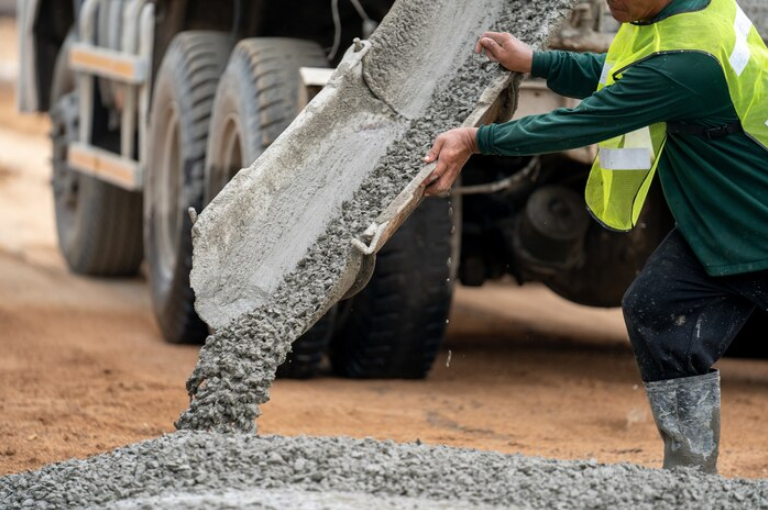
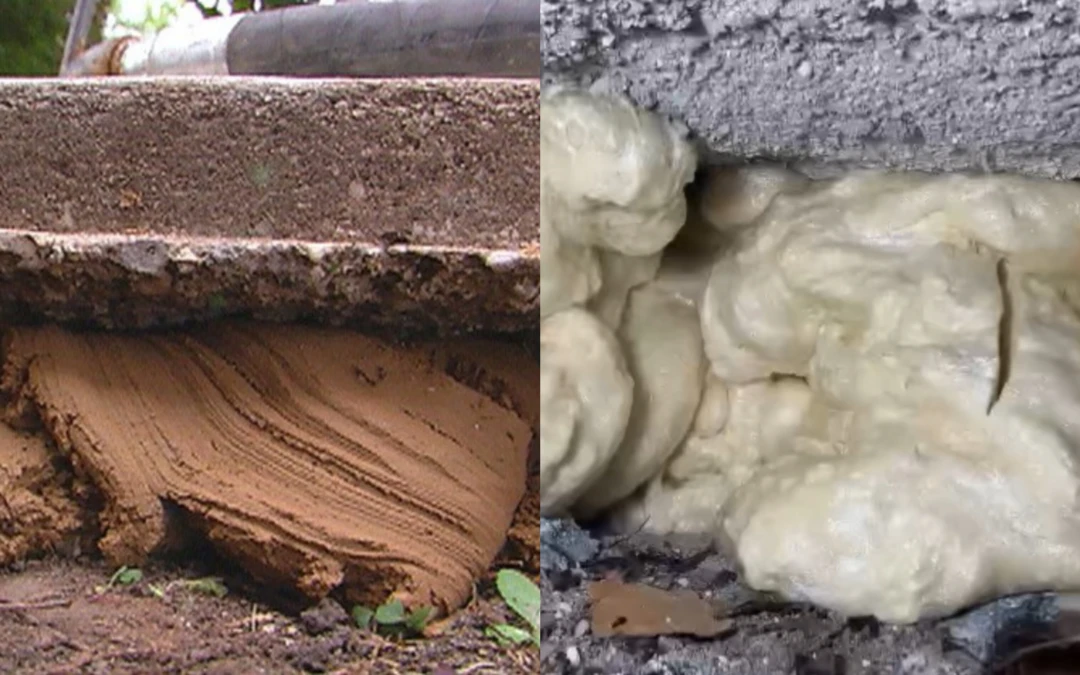
Mudjacking, also called slabjacking, raises a sunken slab by pumping a cement-based slurry underneath it. A technician drills holes through the concrete, injects the slurry into the void, and the pressure lifts the slab back to level. The holes are then patched.
It is the older of the two methods and has been used for decades on driveways, sidewalks, patios and garage floors.
What Is Polyurethane Foam Concrete Lifting?
Polyurethane foam lifting, sometimes called polyfoam concrete leveling, uses a two-part liquid that is injected under the slab through small holes. The liquid expands into a rigid foam that fills voids and lifts the concrete. The holes are typically smaller than those used for mudjacking, and the surface is patched afterward.
Because the foam is lightweight and expands to fill space, it is often used where extra weight on the soil is a concern or where a faster turnaround matters.
Mudjacking vs. Polyurethane Foam: Side-by-Side
| Factor | Mudjacking | Polyurethane Foam |
|---|---|---|
| Material | Cement-based slurry | Expanding polyurethane foam |
| Weight added to soil | Heavy | Light |
| Hole size | Larger | Smaller |
| Cure time | Longer, often a day before full use | Short, often usable within hours |
| Upfront cost | Typically lower | Typically higher |
| Resistance to water washout | Can erode over time with repeated water exposure | Water-resistant |
| Best for | Large slabs, tighter budgets | Weak or unstable soil, faster return to use, long-term results |
Exact numbers vary by project, so treat this table as a general guide and ask for a written comparison on your specific slab.
Cost: Which Is Cheaper?
Mudjacking generally costs less upfront, which is why it remains popular for large driveways and big flat areas. Polyurethane foam usually costs more because the material is more expensive. The real question is value over time. If a repair needs to be redone sooner, the cheaper option can end up costing more. If budget is the main constraint and the soil is stable, mudjacking can be a sound choice.
Speed and Disruption
Foam has the edge on speed. It cures quickly, so many projects are ready for use within hours. Mudjacking slurry takes longer to set, so you may need to stay off the slab for a day. Foam also uses smaller holes, which means less visible patching.
Durability and Water Resistance
This is where the two methods differ most in the Denver area. Mudjacking slurry is cement and soil based, so repeated water exposure can gradually wash material out or compress it. Polyurethane foam is water-resistant and does not break down the same way, which helps it hold up through our freeze-thaw cycles.
Neither method fixes the cause of the settling. If downspouts, grading or irrigation keep sending water under the slab, any lift can fail early. Pairing the repair with waterproofing and drainage solutions protects your investment either way.
Which Is Better for Denver Soil?
Much of the Front Range sits on expansive clay that swells when wet and shrinks when dry. On soil that is already weak or moving, adding a heavy slurry can put extra load on the ground. A lightweight foam adds very little weight, which is one reason it is often recommended for problem soils. On firmer, more stable ground, mudjacking can perform well and save money.
When to Choose Mudjacking
- You have a large, flat slab such as a long driveway or wide patio
- Budget is your top priority
- The soil is stable and drainage is under control
- You can stay off the surface for about a day
When to Choose Polyurethane Foam
- The soil is soft, wet or prone to movement
- You want a faster return to use
- You want a repair that stands up better to moisture
- You prefer smaller, less noticeable repair holes
How to Choose the Right Method for Your Slab
The best way to decide is to have the slab inspected. A good contractor will measure how far it has dropped, look for the cause, check the soil and drainage, and explain why one method fits your situation better than the other. Be cautious of anyone who recommends the same method for every job. To see how leveling works on residential slabs, visit our page on driveway concrete leveling.
Questions worth asking any contractor:
- Which method do you recommend for my slab, and why?
- What is causing my concrete to sink, and will the repair address it?
- How long before I can drive or walk on it?
- What does your warranty cover?
Frequently Asked Questions
Is polyurethane foam better than mudjacking? Neither is better for every job. Foam is lighter, faster and more water-resistant, while mudjacking usually costs less. The better choice depends on your slab, soil and budget.
Is mudjacking cheaper than polyurethane foam? Usually, yes. Mudjacking typically has a lower upfront cost, though foam may offer more value if you want the repair to last.
How long does each method take? Most residential lifts are done in a single visit. Foam is usually ready for use sooner, often within hours, while mudjacking may need about a day.
Can either method fix a slab that is cracked or crumbling? Lifting works best on slabs that are still structurally sound. If the concrete is badly broken, replacement may be the better option.
Will the concrete sink again? It can if the underlying cause, such as poor drainage or shifting soil, is not addressed. Fixing the cause is what makes either repair last.
Get an Honest Recommendation in Denver
Not sure whether foam or mudjacking is right for your driveway, sidewalk or patio? Repair My Concrete can inspect your slab, explain your options and give you a clear recommendation. Contact us today for a free estimate.
