
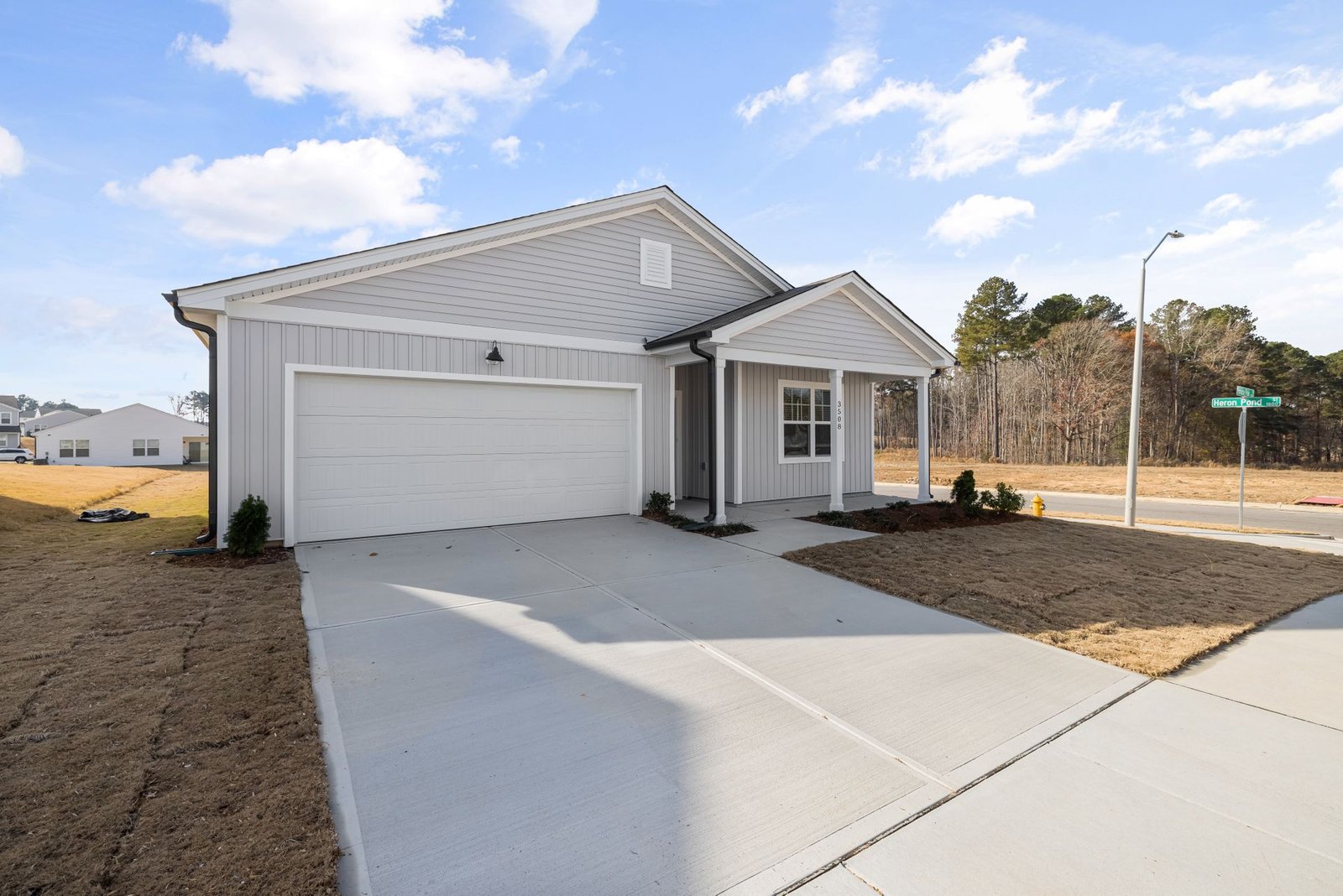
If your driveway now slopes toward the garage, or a sidewalk slab has dropped enough to catch a toe, you are probably wondering whether the whole thing has to be torn out. In most cases it does not. The concrete is usually fine. The ground underneath it moved.
Concrete lifting in Denver raises settled slabs back to their original height by filling the empty space underneath, so you can fix a sunken driveway or sidewalk without demolition, a new pour, or weeks of waiting. Here is why concrete sinks along the Front Range, how lifting works, and how to tell whether your slab can be saved.
Why Concrete Sinks in Denver
Settling is common in our area, and it usually comes down to a few local causes:
- Expansive clay soil. Much of the Denver metro sits on clay that swells when it gets wet and shrinks as it dries. Over time that cycle leaves gaps under slabs.
- Freeze-thaw cycles. Water that gets under a slab freezes, expands, thaws and drains away. Each winter can leave a little more void behind.
- Poor drainage. Downspouts that dump next to a driveway, soil that slopes toward the slab, and irrigation overspray can wash soil out from underneath. If water keeps getting under your concrete, waterproofing and drainage solutions help stop the cycle so the repair lasts.
- Loose fill after construction. Soil that was not fully compacted around a new foundation or a utility trench will settle for years.
Signs Your Driveway or Sidewalk Needs Concrete Lifting
Look for these warning signs:
- A slab that slopes toward your garage, foundation or walkway
- Uneven joints, with one panel sitting higher than its neighbor
- Trip hazards along sidewalk edges
- Gaps between the slab and your house, garage or curb
- Water pooling in spots that used to drain
- A hollow sound when you tap the concrete, which suggests a void underneath
The sooner a void is filled, the less likely the slab is to crack from lack of support.
What Is Concrete Lifting?
Concrete lifting, also called concrete leveling, slabjacking or mudjacking depending on the method, raises a sunken slab from below. A technician drills small holes through the concrete and injects a stabilizing material into the void. As the material fills the space, it pushes the slab back up to level. The holes are then patched, and the slab stays in place.
Two materials are widely used: a cement-based slurry and polyurethane foam. Which one fits depends on the slab, the size of the void and the soil conditions, and a site visit is the best way to find out. For a closer look at how this works on residential slabs, see our page on driveway concrete leveling.
Concrete Lifting vs. Replacing Your Driveway or Sidewalk
For a slab that is still structurally sound, lifting is usually the more practical choice:
- Less cost. Lifting is typically far less expensive than tearing out and repouring.
- Less disruption. There is no demolition, no truck full of fresh concrete and no weeks of curing before you can use the surface.
- Faster return to use. Many lifted driveways and sidewalks can be used again within a day or less, depending on the method.
- Less waste. The existing slab stays in place instead of going to a landfill.
When Replacement Is the Better Option
Lifting cannot fix every slab. Replacement may make more sense if the concrete is crumbling or shattered, has widespread structural cracking, or the underlying problem is severe and ongoing. A professional evaluation will tell you which side of the line your slab falls on. If you are weighing options, our overview of the best concrete repair solutions in Colorado explains what each repair method is best suited for.
What to Expect During a Concrete Lift
- Inspection. A technician checks how far the slab has dropped, looks for voids and identifies the cause, such as drainage or soil movement.
- Drilling. Small holes are drilled in a pattern across the sunken area.
- Injection. The lifting material is injected under the slab, and the technician monitors the height as it rises.
- Leveling. The slab is raised to the target height and checked against the surrounding concrete.
- Patching. The holes are filled and the surface is cleaned up.
Most residential projects like driveways, sidewalks and patios are completed in a single visit.
How to Keep Concrete From Sinking Again
Lifting fixes the symptom. These steps help prevent a repeat:
- Extend downspouts several feet away from slabs and the foundation
- Keep soil sloped away from concrete, not toward it
- Adjust sprinklers so they do not soak the edges of driveways and walks
- Seal joints and cracks so water cannot get underneath
- Address any underlying drainage issue before or during the repair
Frequently Asked Questions
Can you raise a sunken driveway without replacing it? Yes. If the slab is structurally sound, concrete lifting can raise it back to level by filling the void beneath it.
How long does concrete lifting last? Results depend on the material used and whether the cause of the settling, often drainage or soil movement, is addressed. Fixing the cause is what makes the repair last.
Is concrete lifting worth it for a sidewalk? For most settled sidewalk slabs, yes. It removes trip hazards quickly and costs less than replacing the slab.
How soon can I use my driveway after it is lifted? Often within a day or less, depending on the method. Your contractor will tell you what to expect for your project.
Get Your Sunken Concrete Lifted in Denver
If you have a sunken driveway, sidewalk, patio or garage slab, a quick inspection will tell you whether lifting is the right fix and what it will take. Repair My Concrete serves Denver and the surrounding Colorado area with concrete lifting, leveling and repair. Contact us today for a free estimate.
